Publications

Full publication list in chronological order (newest first), with short abstracts and links.

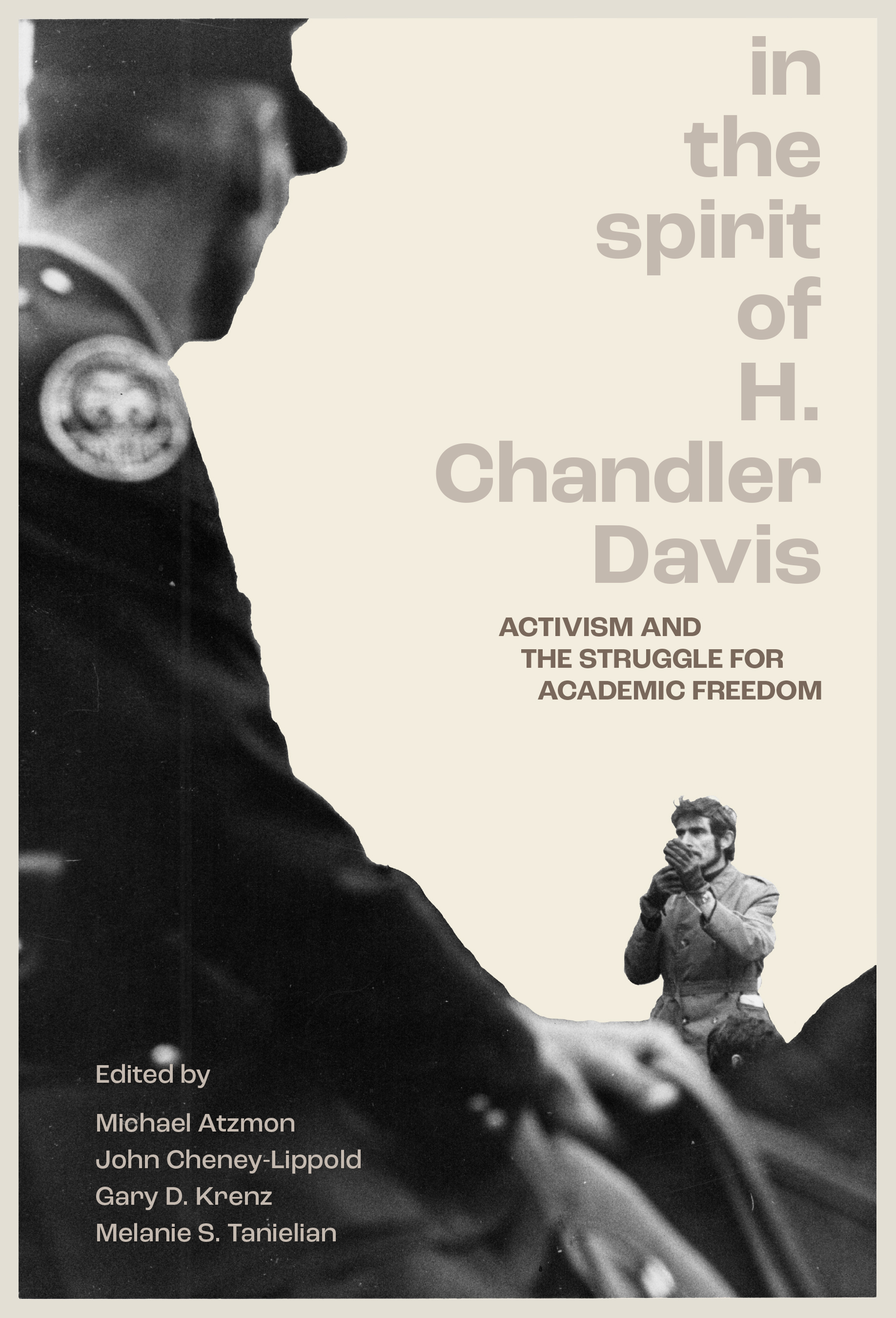
Cover image for In the Spirit of H. Chandler Davis

2026 · Edited Volume

In the Spirit of H. Chandler Davis: Activism and the Struggle for Academic Freedom

With Michael Atzmon, Gary Krenz, and John Cheney-Lippold. Michigan Publishing, 2026.

Publisher page

The essays collected in In the Spirit of H. Chandler Davis: Activism and the Struggle for Academic Freedom honor the life and legacy of H. Chandler Davis (1926-2022), a mathematician, writer, and fearless defender of intellectual freedom. Davis, then a young faculty member at the University of Michigan, became a symbol of principled dissent when he was suspended and ultimately dismissed in 1954 for refusing to testify before the House Un-American Activities Committee.

Unlike many who invoked the Fifth Amendment's protection against self-incrimination, Davis based his refusal solely on the First Amendment guarantee of free speech, staking his livelihood and liberty on the principle that no government body had the right to police ideas. Convicted of contempt of Congress, he served six months in prison before rebuilding his career in Canada, where he became a brilliant mathematician, editor, and advocate for justice, equality, and peace.

This volume brings together historians, legal scholars, educators, civil liberties advocates, and public intellectuals who situate Davis's legacy within today's escalating threats to free inquiry. With contributions from Ellen Schrecker, Juan Cole, Marjorie Heins, Michael Berube, Catherine Stimpson, Henry Reichman, Silke-Maria Weineck, Alan Wald, and others, the book connects McCarthy-era repression to today's "new McCarthyism," including book bans, legislative restrictions on teaching, surveillance of campus activism, attacks on faculty researching race, gender, and Palestine, and the chilling effects of so-called institutional neutrality.

Posthumously published writings by Chandler Davis and by his wife, the eminent historian Natalie Zemon Davis, underscore the enduring importance of refusing silence in the face of intimidation. At once historical and urgently contemporary, the volume argues that defending academic freedom is inseparable from defending democracy itself.

Cover image for Survivor Archives

Forthcoming December 2026 · Edited Volume

Survivor Archives: Remnants, Affects and Embodiments

Edinburgh University Press.

How do objects, bodies, and performances remember what history tries to forget? Survivor Archives uncovers the vibrant afterlives of materials, gestures, images, and artistic practices that endure long after episodes of mass political violence. These remnants, including textiles, photographs, bones, performances, and stories, do more than survive: they speak, resist, and reimagine the past.

The collection reframes archives not as static repositories but as living terrains of desire, grief, and radical knowledge. Drawing on the archival, affective, and embodied turns in contemporary cultural studies, the volume brings together historians, critics, artists, and activists to chart a new cartography of endurance.

Centered in Armenian genocide studies while pushing beyond its conventional borders, the chapters range across literary readings of Hagop Oshagan, legal analyses of Ottoman war crimes tribunals, humanitarian photography, museum misattribution, the necropolitics of human remains, textile memory, and diasporic film. Together, these contributions expand historical, cultural, and political understandings of what counts as an archive.

Image for Hungry for Change

2025 · Book Chapter

Hungry for Change: Civilian Challenges to the State and Demands for Food

This chapter explores how hunger in World War I altered political structures as civilians challenged state authorities and the management of food.

Across Europe and the Middle East, populations used petitions, food riots, rebellion, and revolution to contest provisioning policies. Women in particular appealed collectively to authorities around the urgent need to feed and care for their children.

By examining the politicization of hunger across Ottoman and European warscapes, the chapter shows how food became central to political legitimacy, organization, and contestation.

In: Cox ME, Morelon C, eds. Hunger Redraws the Map: Food, State, and Society in the Era of the First World War. Studies in the Social and Cultural History of Modern Warfare. Cambridge University Press; 2025:259-279. · Chapter page

Image for Defying the Humanitarian Gaze

2023 · Article

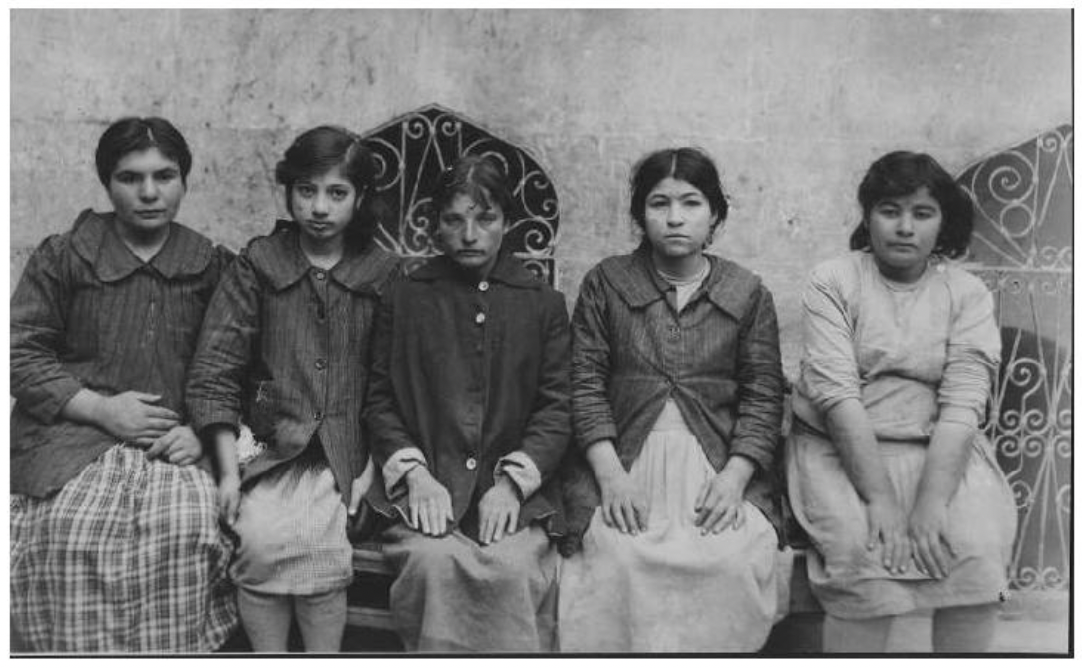
Defying the Humanitarian Gaze: Visual Representation of Genocide Survivors in the Eastern Mediterranean

Melanie Schulze Tanielian. Humanity: An International Journal of Human Rights, Humanitarianism, and Development, University of Pennsylvania Press, Volume 14, Number 2, Summer 2023.

This article is a critical encounter with the genre of humanitarian photography through the case study of images of women survivors of the Armenian Genocide.

Viewing photographs taken as part of the American humanitarian campaign in the Eastern Mediterranean, the article exposes the universalizing modality of humanitarian photography while also showing how mass atrocities continue to silence victims by reducing them to symbols of suffering.

Through indexical, forensic, and critically fabulatory readings of the humanitarian photograph, it first reveals the limits of the humanitarian index, then situates the image within the larger archive, and finally embraces speculative method to reimagine the lives and experiences of the women pictured.

The essay ultimately asks how historical method might attend both to archival content and to what remains impossible to recover, shifting attention toward those who are visible in photographs yet muted in the archive.

MUSE summary

Image for The Sounds of Locusts

2025 · Review Essay

The Sounds of Locusts: Ecology of Empire and the Sounds of Crisis

H-Environment Roundtable Reviews, Vol. 15, No. 11 (2025).

This review argues that incorporating sound and soundscape ecology into environmental history can enrich our understanding of imperial systems.

Using Brock Cutler's Ecologies of Imperialism as a starting point, it emphasizes how locust swarms were not only ecological agents of destruction but also acoustic events that shaped human perceptions of crisis.

By highlighting the interaction between natural and human-made sounds within colonial environments, the essay suggests that auditory landscapes were integral to the functioning and experience of empire. An aural perspective, it argues, offers a valuable lens for analyzing the complex relationships between humans, non-human actors, and imperial ecologies.

Academia link

Image for H-Diplo Roundtable on Saving Europe

2025 · Roundtable

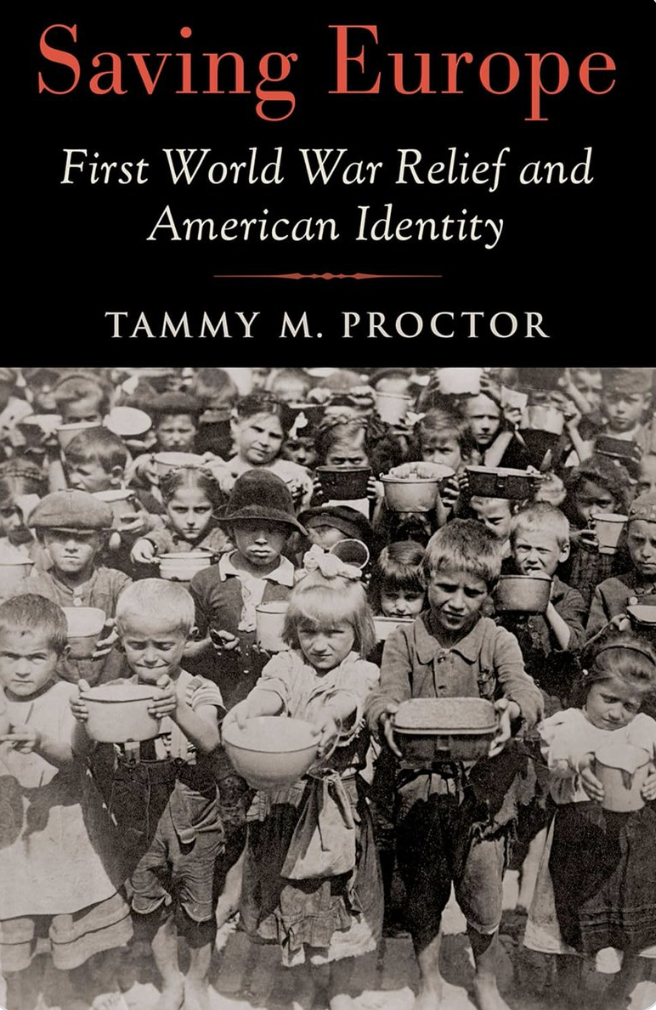
H-Diplo Roundtable XXVII-5: Tammy M. Proctor, Saving Europe: First World War Relief and American Identity

"Is the 'American Century' at an end?" Tammy Proctor provocatively asked after finishing a book that had been two decades in the making. What began in 2005 now reads, in some ways, as the origin story of an endpoint.

In the first months of 2025, American global philanthropy was abruptly curtailed through drastic funding cuts, making the question of America's humanitarian ambitions newly urgent rather than obsolete.

This roundtable argues that Saving Europe arrives at precisely the right moment. It asks why and how an American humanitarian ethos was constituted during and after World War I, and why global engagement became central to American moral identity for so long.

Read roundtable (PDF)

2024 · Article

The Silent Slow Killer of Famine: Humanitarian Management and Permanent Security

This paper argues that famine and the deliberate obstruction of objects indispensable to survival (OIS) must be recognized not merely as collateral humanitarian crises, but as potential first-degree famine crimes under Article II(c) of the 1949 Genocide Convention. Drawing on South Africa's 2024 case against Israel before the International Court of Justice, I examine how humanitarian management-through blockade, inspection regimes, and calibrated restriction of food, water, fuel, and infrastructure-can function as a technology of mass violence. Situating Gaza within a longer continuum of siege and settler-colonial governance, I contend that the deliberate infliction of life-destroying conditions predates October 2023 and forms part of a broader regime of permanent security. Engaging debates in genocide studies, particularly the marginalization of induced famine as genocidal violence, this paper builds on David Marcus's concept of "first-degree famine crimes" and recent scholarship on postcolonial conflict to argue that systematic starvation should be treated as an actus reus of genocide when intentional and sustained. By foregrounding famine as a slow, often invisible form of destruction, the paper challenges the field's prioritization of direct kinetic violence and calls for a reconceptualization of genocide that accounts for the bureaucratic, humanitarian, and administrative management of death.

Published online: 05 Feb 2024. · DOI

Image for We Found Her at the River

2024 · Article

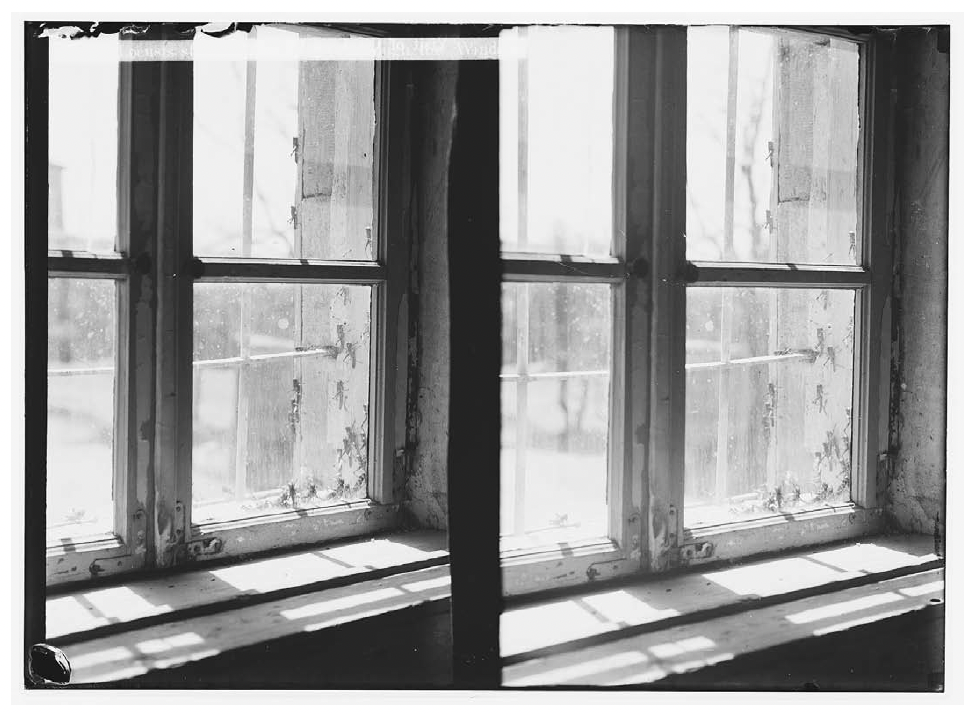
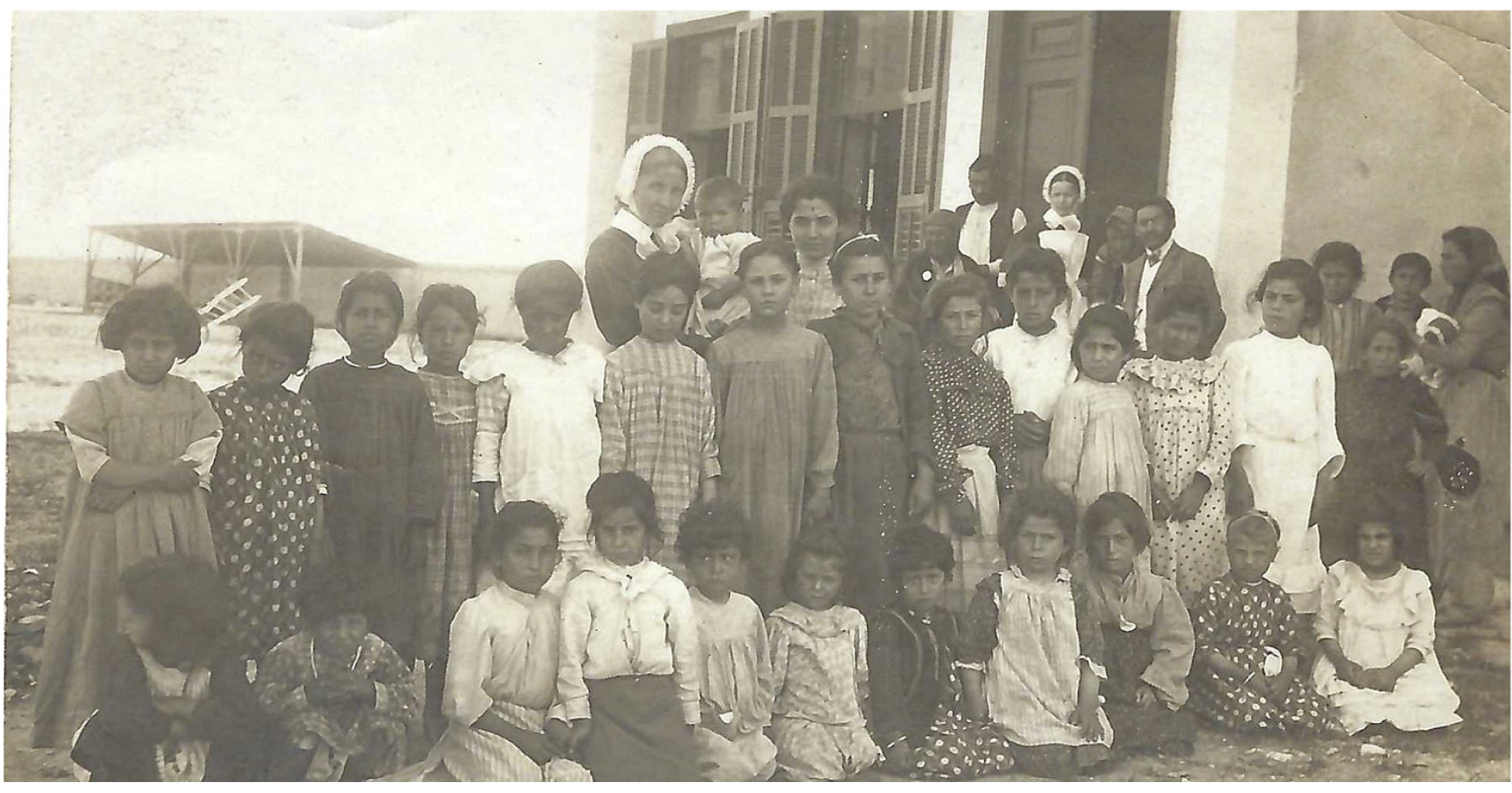
"We Found Her at the River": German Humanitarian Fantasies and Child Sponsorship in the Eastern Mediterranean in the Late 19th and Early 20th Centuries

This article focuses on the discursive and practical strategies of German humanitarian work on behalf of Ottoman Armenians in the Eastern Mediterranean beginning in the 1890s. Unlike their British, French, and US counterparts, German humanitarians, restrained by their government's pro-Ottoman politics, relied on mobilization and funding strategies that catered to an evangelical moral counterpublic.

Pious journalism and educational efforts focused on individual stories and suffering, generating fantasies of salvation through the rescue of distant others. These practices helped construct an imagined humanitarian community, solidified by individualized sponsorship systems that circulated letters, photographs, blessings, moral instruction, and money.

The article traces how these networks reveal continuities between missionary humanitarianism and later secular, institutionalized interwar humanitarianism.

The American Historical Review, Volume 129, Issue 3, September 2024, Pages 889-918. · DOI

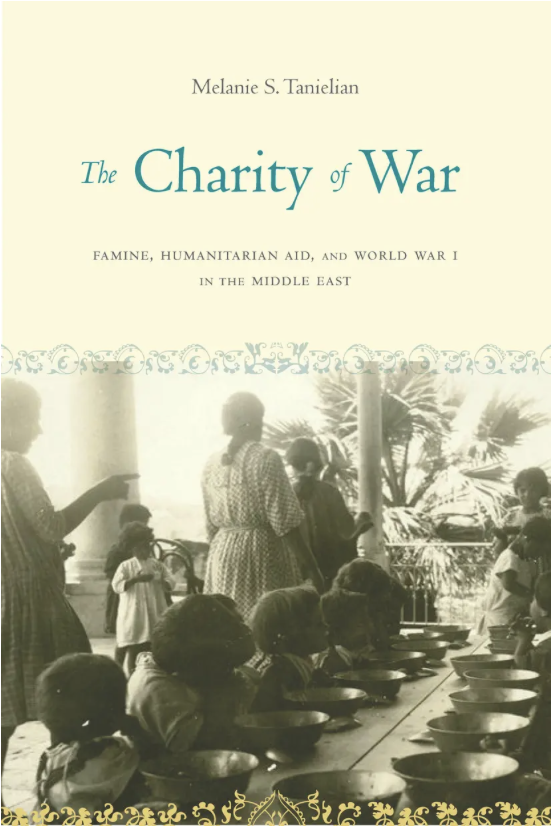
Cover image for The Charity of War

2018 · Book

The Charity of War

Stanford University Press, 2018.

With the exception of a few targeted aerial bombardments of the city's port, Beirut and Mount Lebanon did not see direct combat in World War I. Yet civilian casualties in this part of the Ottoman Empire reached shocking heights, possibly numbering half a million people. No war, in its usual understanding, took place there, but Lebanon was incontestably war-stricken. As a food crisis escalated into famine, it was the bloodless incursion of starvation and the silent assault of fatal disease that defined everyday life.

The Charity of War tells how the Ottoman home front grappled with total war and how it sought to mitigate starvation and sickness through relief activities. Melanie S. Tanielian examines the wartime famine's reverberations throughout the community: in Beirut's municipal institutions, in its philanthropic and religious organizations, in international agencies, and in the homes of the city's residents.

This local history reveals a dynamic politics of provisioning that was central to civilian experiences in the war, as well as to the Middle Eastern political landscape that emerged post-war. By tracing these responses to the conflict, the book demonstrates World War I's immediacy far from the European trenches, in a place where war was a socio-economic and political process rather than a military event.

Publisher page

2015 · Article

Feeding the City

Studies the Beirut municipality and the politics of provisioning civilians during World War I.

Journal page

2014 · Article

Politics of Wartime Relief

Analyzes relief politics, local actors, and social survival in Ottoman Beirut during wartime.

Journal page