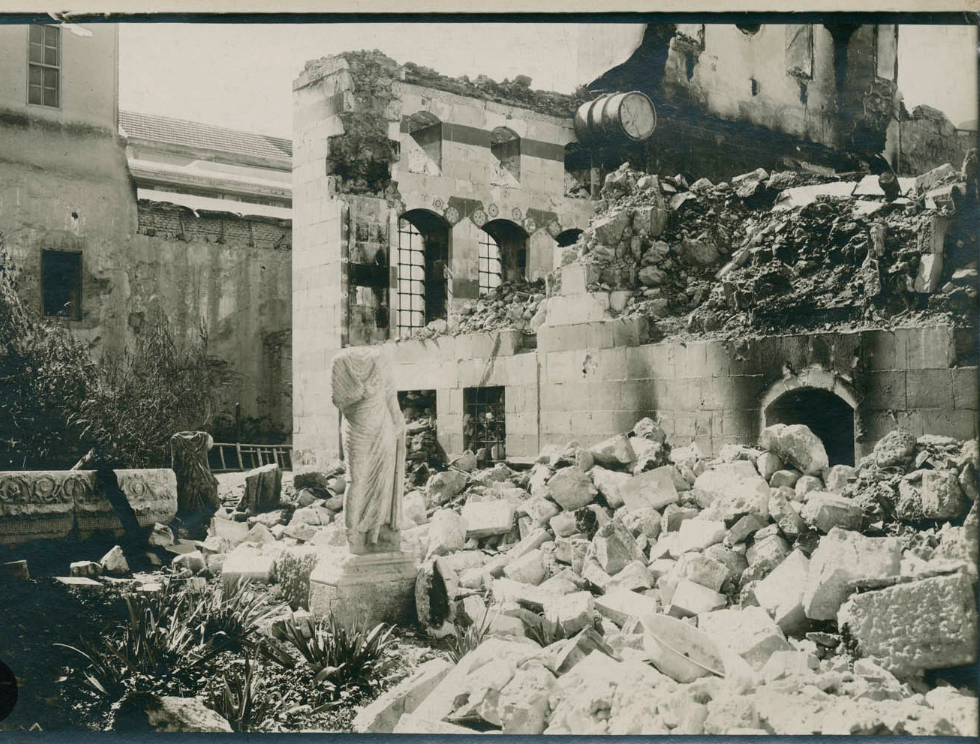
Overview
Drawing on archival correspondence between Syrian actors, international aid organizations, and League of Nations institutions, the study investigates how claims to humanitarian assistance were constructed, translated, and ultimately denied. It argues that decisions about aid were not determined primarily by material need, but by the classificatory frameworks through which suffering populations were made legible to international authorities.
In the Damascus case, displaced populations initially described in terms of vulnerability, including women, children, and the elderly, were redefined as "Muslim refugees," a categorization that carried political and civilizational implications and contributed to their exclusion from aid.
By situating this episode within the broader context of the French Mandate in Syria and the emergence of the interwar refugee regime, the project demonstrates how humanitarian governance reproduced imperial hierarchies and racialized distinctions under the guise of neutral relief.